| | | | Teaching kids
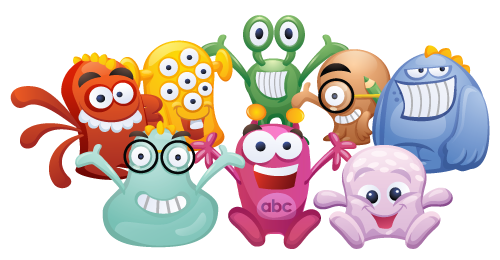
In this lesson pupils aged 6 to 12 learn about life under the sea. They are introduced to different sea animals through flashcard games. Using the flashcards, the teacher describes sea animals for children to guess. Pupils complete a worksheet to invent their own sea creatures, which they present to their classmates. And you can end the lesson with a fun song - 'Everything beneath the sea'.
| Teaching teens
Recent research into English as a medium of instruction, involving an Open University team, Education Development Trust and the British Council, has led to a fascinating series of blogs which examine EMI in depth. The organisations involved would like to start a conversation about how best to use language(s) in the classroom in EMI contexts and look forward to you joining this conversation and contributing to this important debate.
| Teaching adults
The communicative approach to language learning stresses the need for meaningful communication, emphasising that if students have a genuine reason or motivation to talk then they will learn to use the language more effectively. This practical article looks at how the notion of a gap between speakers can be used to provide a reason for communication. Finding ways to create gaps between students - gaps which need closing - creates speaking opportunities and prompts the creation of new activities.
|
|
| | | | Development
Are teachers able to assess themselves accurately? Do they have the right assessment tools to do so? This research paper, Developing a self-assessment tool for English language teachers, investigates these questions and takes a closer look at the British Council's self-assessment tool (SAT) for teachers of English.
The SAT has 48 elements, each phrased in terms of teacher ability or knowledge, and is available for free use online on the TeachingEnglish website. Try the SAT
| Events
What is a challenging learner? Why do some learners challenge us more than others? How can we understand challenging behaviour in a different way so that we can teach these learners better in the classroom? This webinar with Marie Delaney will address these questions and explain the effects of loss, trauma, violence and neglect on the brain, learning and behaviour.
| Magazine
This paper, What is the impact of study abroad on oral fluency development? A comparison of study abroad and study at home, explores the impact of studying for a degree among a group of Chinese Master's students, some based in the UK, others 'home-based' in East China. Developing fluency in spoken English is perhaps the most frequently cited reason for choosing to study for a degree in an English-speaking country, and on average the learners in both contexts made small gains in oral fluency.
|
|
You have received this newsletter because you registered on our website or previously showed interest in British Council news. If you wish to opt out of future newsletters, please unsubscribe here. |






 Postingan